
Thanksgiving is usually one of the busiest travel times each year. This year makes it more complicated. With the COVID-19 pandemic, it has altered how we approach our holidays and put a significant strain on families as they must decide to keep themselves and others safe. The Centers for Disease Control and Prevention (CDC) recommended …
Author Archives: adrianchernykpublichealthresources
A Stylometric Analysis: Writing in the Bipolar Individual
We can extrapolate that bipolar individuals are more emotionally reactive and sensitive to the world around them While there is undoubtedly a link between bipolarity and the artistic temperament, this study raises more questions than answers yet is still an important step in taking this research in a new direction. In fact, highly accomplished people …
Continue reading “A Stylometric Analysis: Writing in the Bipolar Individual”
DNA, The discovery that changed science forever
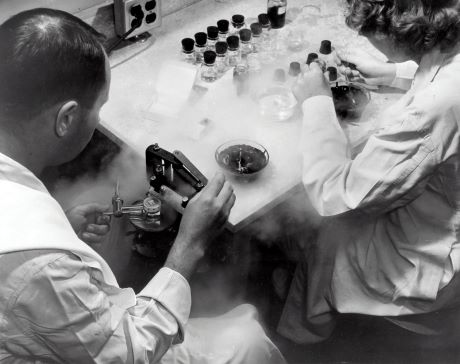
The structure of deoxyribonucleic acid or DNA was discovered by James Watson and Francis Crick in 1953.
Pain and Prejudice: Musculoskeletal Conditions and the Fight to be Validated
A not often discussed health burden facing Aboriginal and Torres Strait Islander Australians is musculoskeletal pain (MSP). In addition to the painful physical symptoms, many Indigenous Australians who feel unwelcome and unacknowledged by mainstream medical services feel no choice but to suffer in silence. Statistics Musculoskeletal pain refers to pain felt in the musculoskeletal system, …
Continue reading “Pain and Prejudice: Musculoskeletal Conditions and the Fight to be Validated”
Health of Aboriginal Mothers Neglected in the Australian Prison System
Though Aboriginal and Torres Strait Islander (ATSI) women make up only 3% of Australia’s female population, they account for over one-third of Australia’s female prison population. 80% of Indigenous female prisoners are mothers. Research released in May based on interviews with 43 Aboriginal mothers across six prisons found that the overwhelming majority of them don’t …
Continue reading “Health of Aboriginal Mothers Neglected in the Australian Prison System”
Indigenous Infant Deaths Alarmingly High
New research recently published by the University of Sunshine Coast Nursing and Midwifery has found the rate of Sudden and Unexpected Death in Infants (SUDI) was more than 3.5 times higher for Indigenous Australian infants than non-Indigenous infants from 2010-2014. The Australian government’s Closing the Gap campaign had reported SUDI rates as only two times …
Good News for Indigenous Australian Health: A Summary of Progress
The annual Report Card for the Implementation Plan for the National Aboriginal and Torres Strait Islander (ATSI) Health Plan 2013-2023 was released this October. It found that 12 out of 20 health goals are on track to be met by 2023. This is good news for Indigenous Australians, who for generations have suffered poor health …
Continue reading “Good News for Indigenous Australian Health: A Summary of Progress”
Hearing Loss Affecting Indigenous Australian Children
Over 6,000 Aboriginal and Torres Strait Islander (ATSI) children in Australia’s Northern Territory (NT) are at risk for hearing loss, according to the Australian Institute of Health and Welfare’s (AIHW) NT hearing health report released last week. According to the report: “While a number of hearing health services have been provided to Indigenous children and …
Continue reading “Hearing Loss Affecting Indigenous Australian Children”
Australia’s Assisted Dying Bill and its Ethical Concerns for Indigenous Australians
On October 14, 2019, a campaign to urge Western Australian Legislative Counselors to vote “no” on a Voluntary Assisted Dying Bill was launched. The proposed laws would give terminally ill adults living in WA who are in pain and likely have less than six months to live (or one year if they have a neurodegenerative …
Diabetes at Crisis Levels for Indigenous Australians
Diabetes is one of the biggest health epidemics in the Aboriginal and Torres Strait Islander (ATSI) community today. It is estimated that 3 million Australians will be affected by Type 2 diabetes by 2025. ATSI people are 3 times more likely to have Type 2 diabetes (formerly known as adult-onset diabetes) than non-ATSI people. The …
Continue reading “Diabetes at Crisis Levels for Indigenous Australians”
 Adrian Chernyk: Health & Indigenous Australians